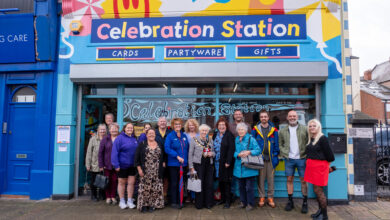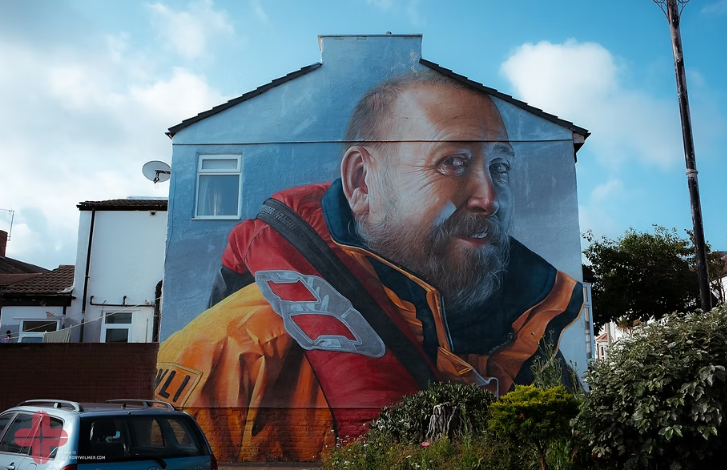
There’s a stretch of Victoria Road where, not so long ago, you could stand in the middle of a weekday afternoon and hear your own footsteps. Shutters down. Paper in the windows. That particular silence a street makes when it has stopped expecting anyone.
Everything changes when Daniel Davies embarked upon an ambitious regeneration project that had street art at its core. He described the situation to a licensing hearing, and he didn’t dress it up: seven years ago, “fifty percent of the businesses were closed, the square footage was nearer 75%.”
CLICK HERE TO GET INVOLVED IN NEW BRIGHTON’S STREET ART PROJECT
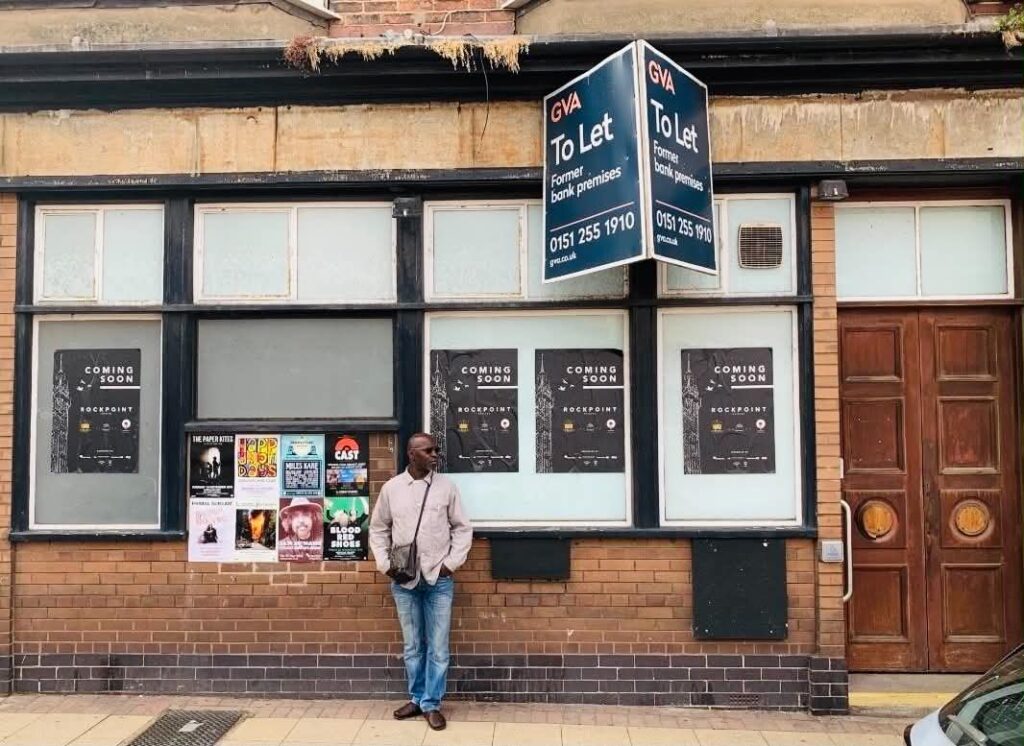
Then, in the same breath — the road was now fully occupied. I want to talk about what happened in between. Not because it’s a nice story, although it is. Because there’s a number attached to it now, and the number is turning up on people’s mortgage statements.
Over the last twelve months, the average sold price in CH45 was £248,894 — up 10% on the year before, and 16% above the old 2022 peak of £213,730. Widen the lens and it holds. Wirral house prices rose 6.5% in the year to May 2026, against 5.8% across the North West and 2.7% for the UK as a whole. We’re not tracking the national market. We’re outrunning it.
CLICK HERE TO GET INVOLVED IN NEW BRIGHTON’S STREET ART PROJECT
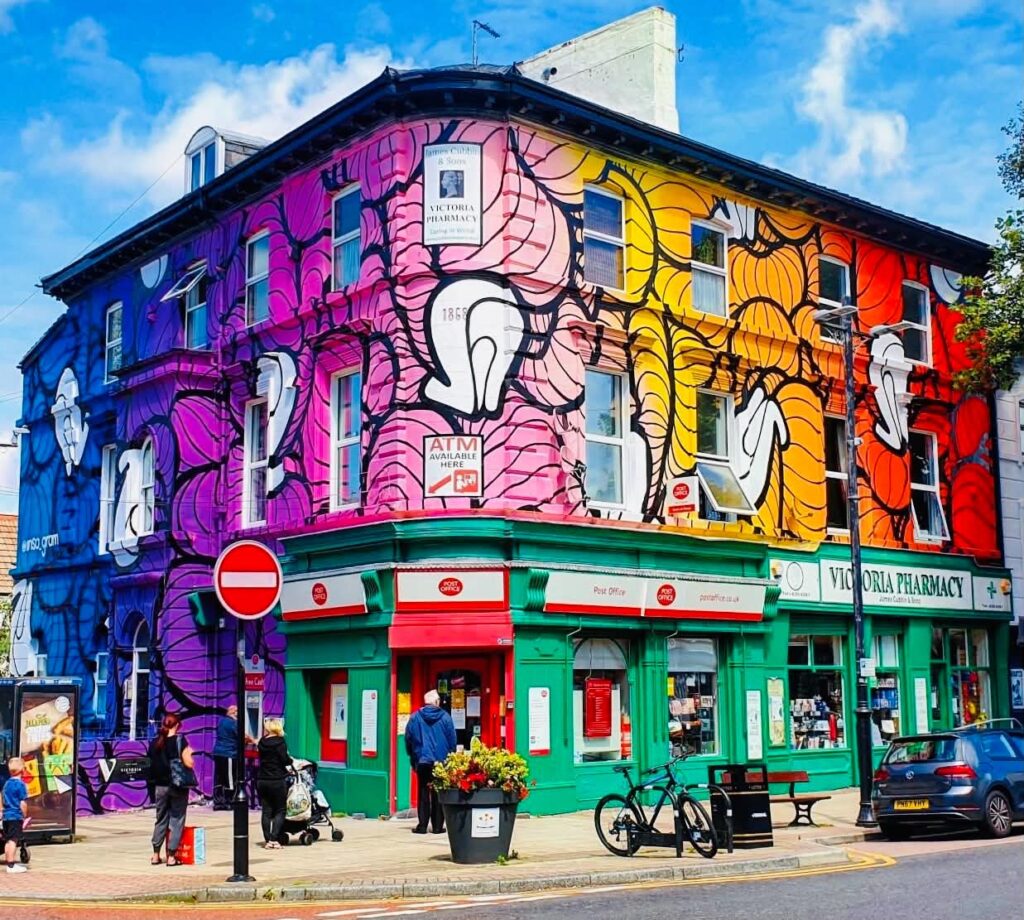
Now the honest part, because a piece like this is worthless without it. This is not all street art. That would be a lovely thing to claim and it would not be true. Lockdown rearranged what people wanted from where they live. Sea, sky, a bit of space, somewhere to walk that isn’t a corridor. Coastal towns up and down the country caught that wave and so did we. Add the affordability gap — The Sunday Times put a four-bed Victorian semi here at around £250,000 — plus a twenty-seven-minute train into Liverpool, and you’ve a decent case for New Brighton before a single wall gets painted.
So the honest question was never did the murals move the market. It’s this: every seaside town in England got the pandemic. Why did The Sunday Times write about ours? Last summer they named New Brighton one of the twenty best UK seaside places to live, fourth in England, and called it “the opposite of a fading resort” — pointing to “a refreshed streetscape, community clean-ups and lots of cool new independent businesses” as “the most visible signs of the long-term planning and investment that are turning New Brighton into a lively rival to fancier Wirral neighbours such as Heswall, Hoylake and West Kirby.”
CLICK HERE TO GET INVOLVED IN NEW BRIGHTON’S STREET ART PROJECT
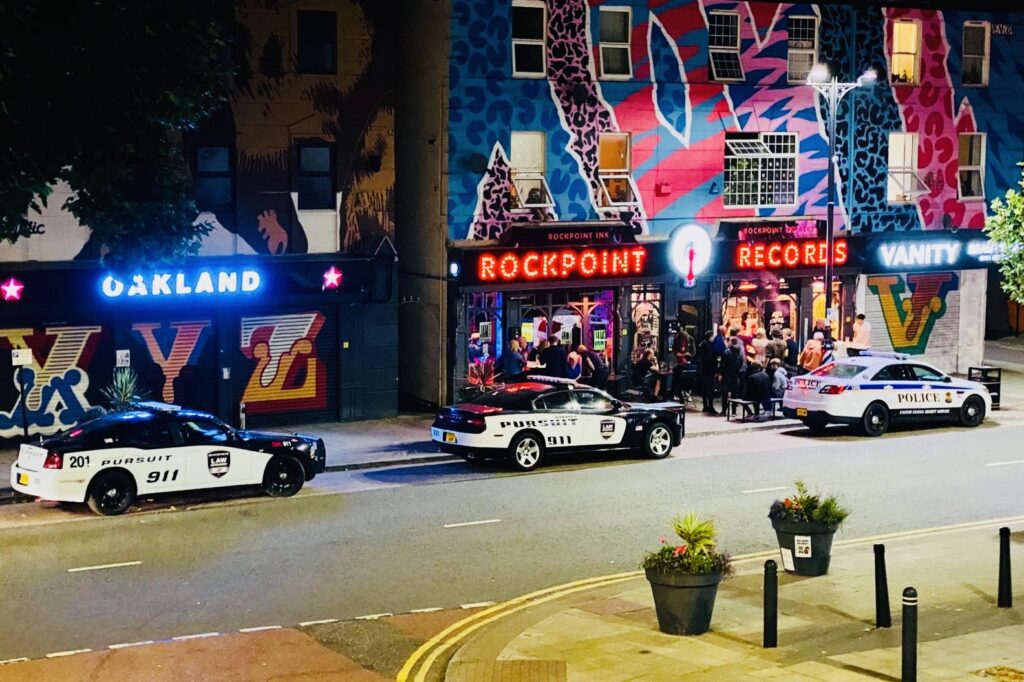
Read that again. Fancier neighbours. Last month the Echo ran a piece on first-time buyers leaving Liverpool for the Wirral, and topped it with a photograph of our murals — New Brighton, the caption explained, being somewhere new homeowners want to be because of the links to Liverpool, the affordability, and the fact that it’s an “artsy seaside town”.
Inside, Adam Slinger, a director at Peterson & McCoy on Atherton Street, was asked what he’s actually selling here. His answer: “It’s quite an artsy seaside town, it’s bidding to be Town of Culture. We get lots of families coming over.” The same piece has Wirral posting the third-highest house price rise in England between January 2025 and 2026 — 8.8%, or £18,000 on the average home, against Liverpool’s 6.5%.
CLICK HERE TO GET INVOLVED IN NEW BRIGHTON’S STREET ART PROJECT
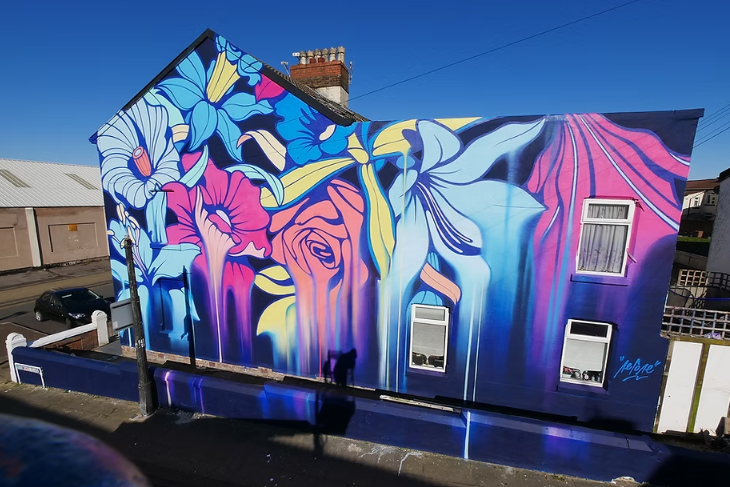
Here’s the thing I most want you to take away, and it’s the bit that gets missed every time. The value doesn’t sit on the painted wall. It radiates out from it. Down the terrace, round the corner, three streets back from the front, to a house whose owner has never once thought about SNIK or Nerone or Fanakapan and never needs to.
When someone drives over from Manchester for the trail, buys lunch, walks past a for-sale board and thinks actually… — that’s your street too. Nearly forty large-scale works sit inside one walkable area here, among the densest clusters in the UK. That density is the asset. No single wall does this. All of them together do.
CLICK HERE TO GET INVOLVED IN NEW BRIGHTON’S STREET ART PROJECT
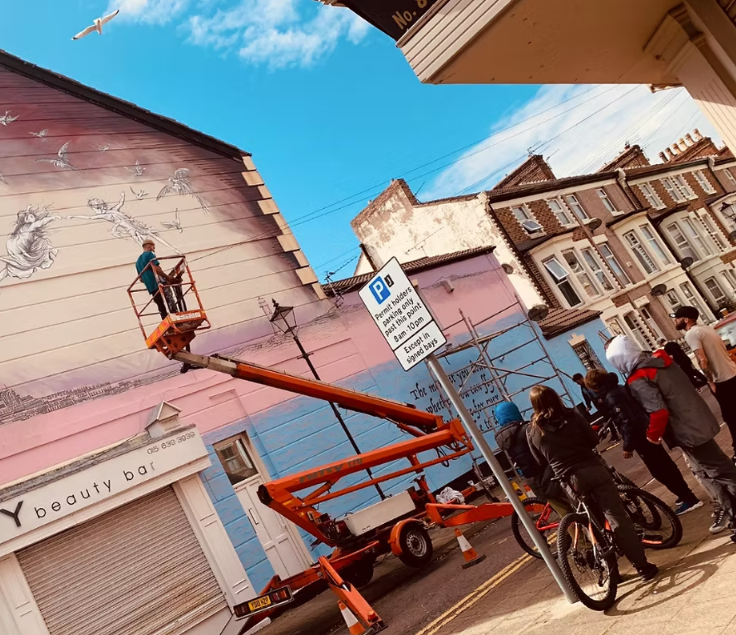
And that’s the awkward economics of an Open Air gallery. It’s free, permanently, to everybody. It’s also exposed to salt air and UV that eat paint for a living — so it needs prep, primer, aftercare, access equipment, and artists paid properly for skilled work at height in a coastal wind. The returns are privatised: they land in your equity, in a shop’s takings, in an agent’s fee. The costs sit with a CIC, a handful of stubborn independents, and people painting in the rain in February.
So — if your house is worth more than it was in 2019, and statistically it is, then part of that is the sea. Part of it is interest rates. Part of it is a whole country deciding, all at once, that it wanted a coastline. And part of it is a wall you drive past every day and stopped noticing years ago. You don’t owe us anything for that. But if you’ve ever wondered what supporting street art actually buys you — it’s the thing you already own, worth more. Come and find us at Rockpoint Records. Or take a wall. We’ll get it painted, and the town will do the rest.
New Brighton Creative Futures CIC
CLICK HERE TO GET INVOLVED IN NEW BRIGHTON’S STREET ART PROJECT