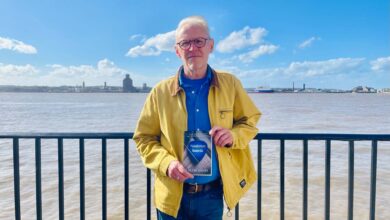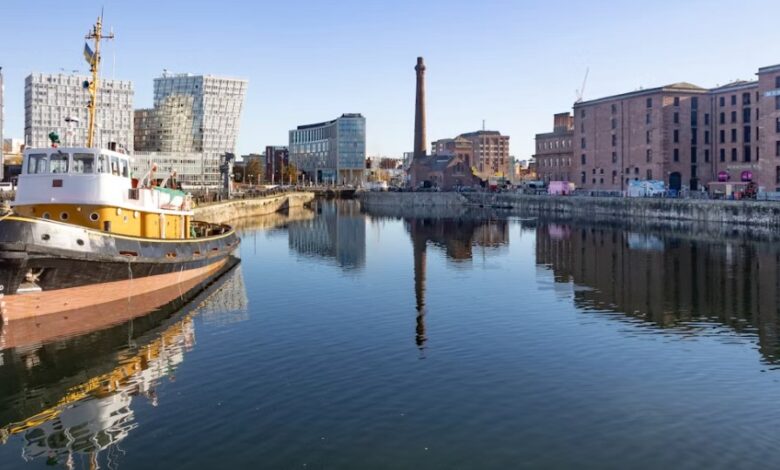
In this regular La Vida Liverpool feature, guest writer and historian David Hearn educates us on some fascinating local history. With a wealth of knowledge, David gives talks and walking tours on subjects such as the history of Liverpool, wars, slavery, maritime, Liverpool’s links with America and more. In this feature he pays homage to a legendary Dock Surveyor who shaped our city….

When I lecture about Jesse Hartley I often receive two comments – the first is “was he the same Hartley as Hartley’s jams?” which is usually tongue-in-cheek but the second comment is very telling and goes along the lines of “what an interesting man – I have never heard of him before!” Comparatively few people seem to be aware of the amazing contribution that Hartley made to Liverpool and yet his work is still very obvious and has a fame and importance that extends beyond the city.
Jesse Hartley was born in 1780 but, like many people who were historically important to Liverpool, he was not born here but in Pontefract, Yorkshire, where his father and brother were “bridge masters”. In 1824 Hartley successfully applied for the post of Deputy Dock Surveyor in Liverpool despite having no previous dock building experience.
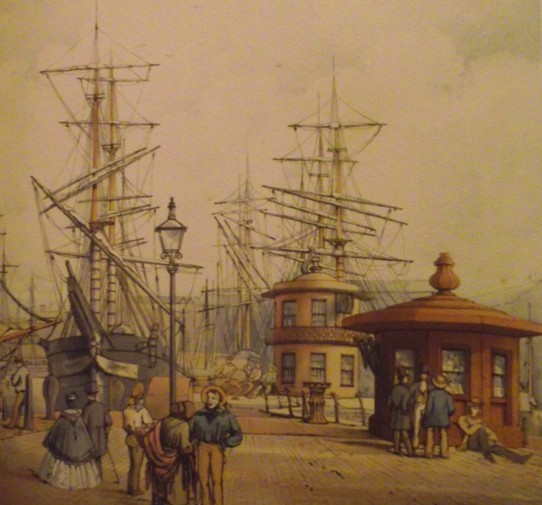
Hartley was to have been deputy to John Foster Jr who was an architect and Liverpool Borough Surveyor and who had designed and built Princes Dock as well as a number of important in Liverpool. Only three days after Jesse Hartley took up his post Foster and all his team resigned. Although not immediately, after several months Hartley was promoted to a post with a fine title – Superintendent of the Concerns of the Dock Estate in Liverpool – and became the first full-time dock engineer in the world.
Hartley was a man of boundless energy and set about fulfilling the ambitions of Dock Committee to not only expand the Liverpool docks by construction but to improve the existing docks. Under Hartley’s direction the size of the Liverpool dock estate expanded almost 5 fold from 46 to 212 acres (19 to 86 hectares) – this measurement being the enclosed space of water within the dock system.
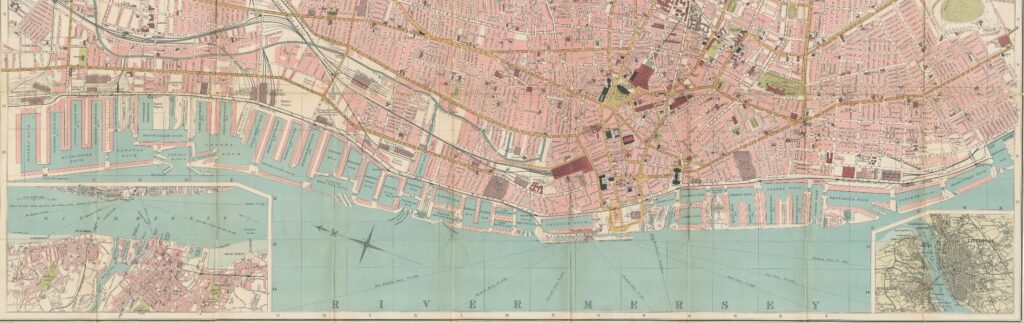
The first dock designed and built by Hartley was Clarence Dock which was opened in 1830 followed by Brunswick Dock (1832), Waterloo Dock (1834) although Hartley was not responsible for the warehouses that we now see at that dock, Victoria Dock (1836), Trafalgar Dock (1836) and Canning Half-Tide Dock (1844). 1848 turned out to be a rather busy year for Hartley and it is perhaps worth noting that in 1848 Hartley was 68 years old and was known for visiting each of the sites he was working on at least twice every day.
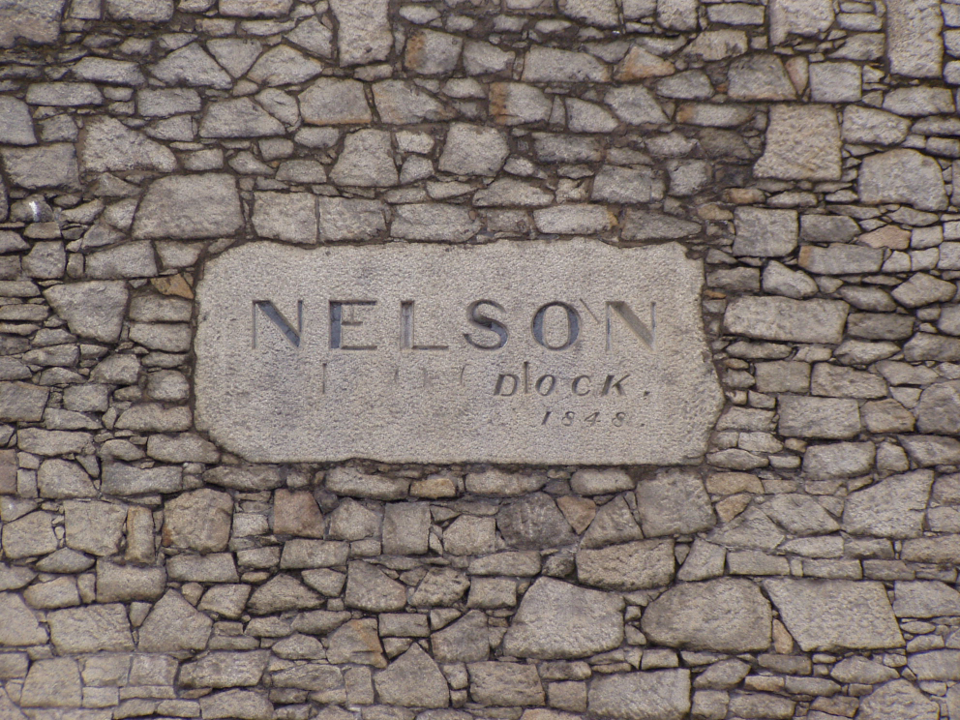
At a time when people nowadays might be looking forward to a peaceful retirement in 1848 Hartley completed Salisbury Dock, Collingwood Dock, Nelson Dock, and Bramley-Moore Dock which is now assured international fame maybe not as a dock but as home to the Hill Dickinson Stadium something that Hartley could never have imagined in his wildest dreams.
Arguably Hartley’s greatest achievement in 1848 was Stanley Dock – the only Liverpool Dock other than the Old Dock of 1715 that was built on the landward side. This was to allow dock access to and from the Leeds Liverpool Canal which brought huge amounts of coal into Liverpool. The construction of Stanley Dock included the North and South warehouses although not the huge Tobacco Warehouse; the North Warehouses of Stanley Dock now house the award winning Titanic Hotel.
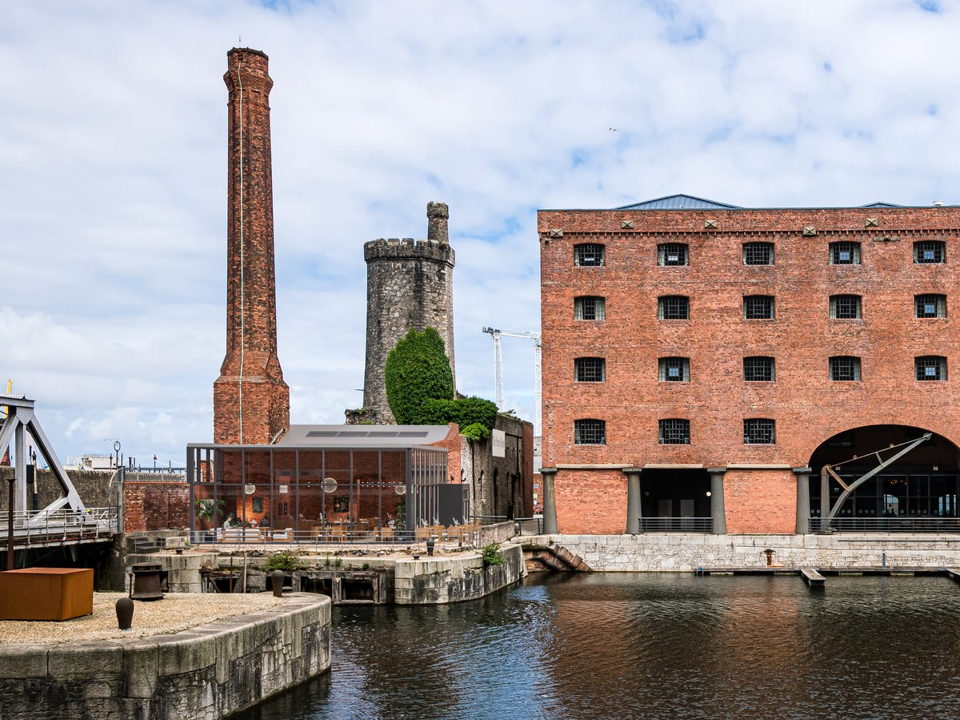
All the time that Hartley was involved in building new docks he was also involved in constantly improving and adapting the dock system. Hartley introduced the first inter-connecting docks in the world which gave much more flexibility to the system 24 hours a day and independent from the huge tidal range of the River Mersey.
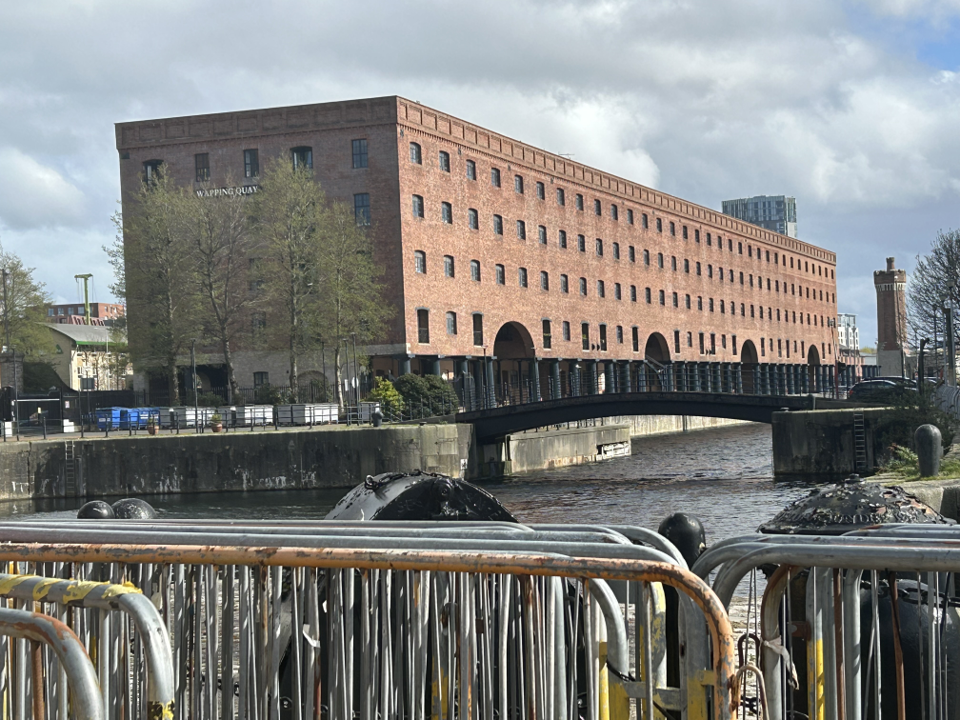
In 1849 Hartley designed and built Sandon Dock followed by Waterloo Dock and Waterloo Half-tide Dock in 1851, Huskisson Dock in 1852 and Wapping Dock with the Wapping Dock warehouses, some of which remain, opening in 1856. Hartley’s final dock was Canada Dock which was opened in 1859. Canada Dock was so called because it was designed to receive timber from Canada.
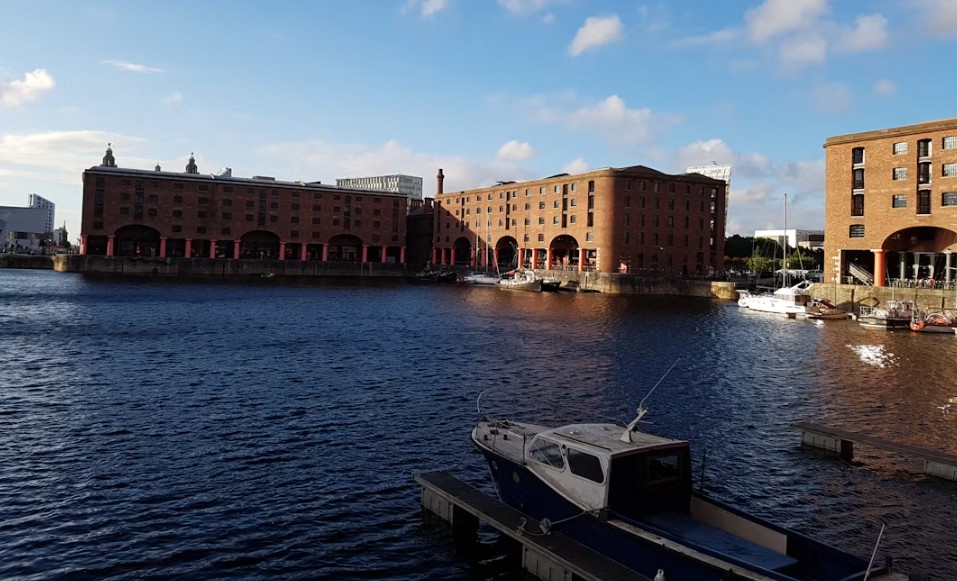
But perhaps Hartley’s most famous, and certainly the most visible, is the Royal Albert Dock Liverpool. The one million square feet of warehouse was the first fire-proof warehouse space in the world because there was no timber used in the construction. The dock was opened to shipping in 1845 although it was officially opened by Prince Albert in 1846 so this year marks the dock’s 180th birthday. Although the Albert Dock is no longer used for the purpose that Hartley intended I am sure that he would be delighted to see that his masterpiece is still in daily use.
As well as the various docks and warehouses Hartley also designed and built various buildings that went with them from watchmen’s and lock-keepers huts to a number of hydraulic accumulator towers which were necessary because the power to operate the lock gates, cranes etc. of the docks was an hydraulic system. Hartley also designed dock-side cranes and other equipment which was also hydraulically powered.
Not to be confused with the overhead railway which was opened in 1893, Hartley was the designer and builder of the Dock Railway which carried goods away from the quayside to the many railway warehouses and goods stations on the docks. At its height there were 104 miles of Dock Railway. Jointly with the architect Philip Hardwick Hartley built the Victoria Tower which is at the entrance to Salisbury Dock and once had a clock on each of its 8 faces. Further afield in 1835 Hartley both designed and built the lighthouse at Port Lynas which was at the time operated by the Liverpool Dock Committee.
It is impossible to over-emphasise the importance of the work of Jesse Hartley because it was the dramatic increase in the size of the docks that was the main reason for the dramatic rise in the importance of Liverpool and for Liverpool to be given the unofficial title of “Second City of Empire”. It is still possible to visit and marvel at many of Hartley’s great works be they the magnificent warehouses and other buildings at Albert and Stanley Docks, the Dock Wall with its large crenelated gate posts and Everton Football Club have indicated that they are going to renovate the hydraulic tower on their site.
TO BOOK A HISTORY TALK OR WALKING TOUR WITH DAVID CONTACT HIM ON 07739386367
Follow David on Twitter @thedustyteapot